Egypt and Saudi Arabia in the New International Division of Labor
Egypt and Saudi Arabia in the New International Division of Labour: How the 1973 oil crisis set the stage for the complex regional order seen today.
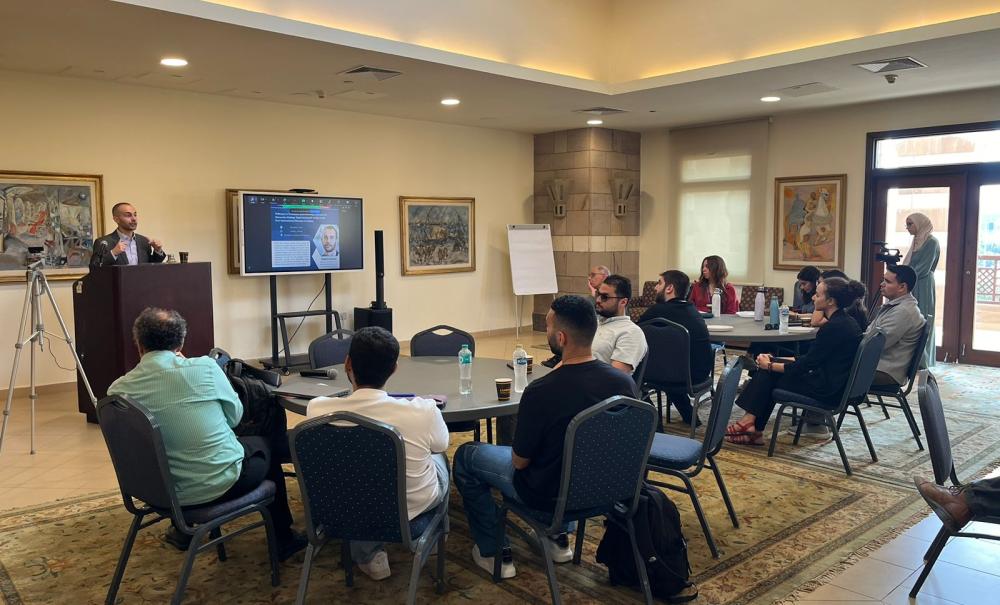
On Thursday, November 6, 2025, the pathways program hosted in Tim Sullivan Lounge at The American University in Cairo New Cairo an insightful lecture by Roberto Roccu, reader in international political economy at King’s College London. The event, titled "Pathways to Neoliberal Restructuring, Pathways of Hierarchy-Making: Egypt and Saudi Arabia in the New International Division of Labour," explored how the 1973 oil crisis set the stage for the complex regional order seen today.
The talk underscored a significant shift in regional power, with Saudi Arabia increasingly acting as a "de facto underwriter" of the Egyptian economy. This financial relationship has evolved into a hierarchy where GCC-led assistance is often coordinated with international lenders, granting Riyadh substantial political and economic leverage over Cairo.
Despite these advancements, Roccu noted critical obstacles for both nations:
- Saudi Arabia: The Kingdom's heavy reliance on low-cost migrant labor may hinder its transition from a technology consumer to a true innovator.
- Egypt: The nation remains "globalized the wrong way," deeply integrated into global markets but largely restricted to the lower echelons of value chains.
The event concluded with a discussion on how these structural shifts continue to influence current geopolitical tensions and the future of energy transitions in the Middle East.
To watch the full recording, click here.