Sudan: From Revolution to Civil War
On Thursday, November 20, 2025,
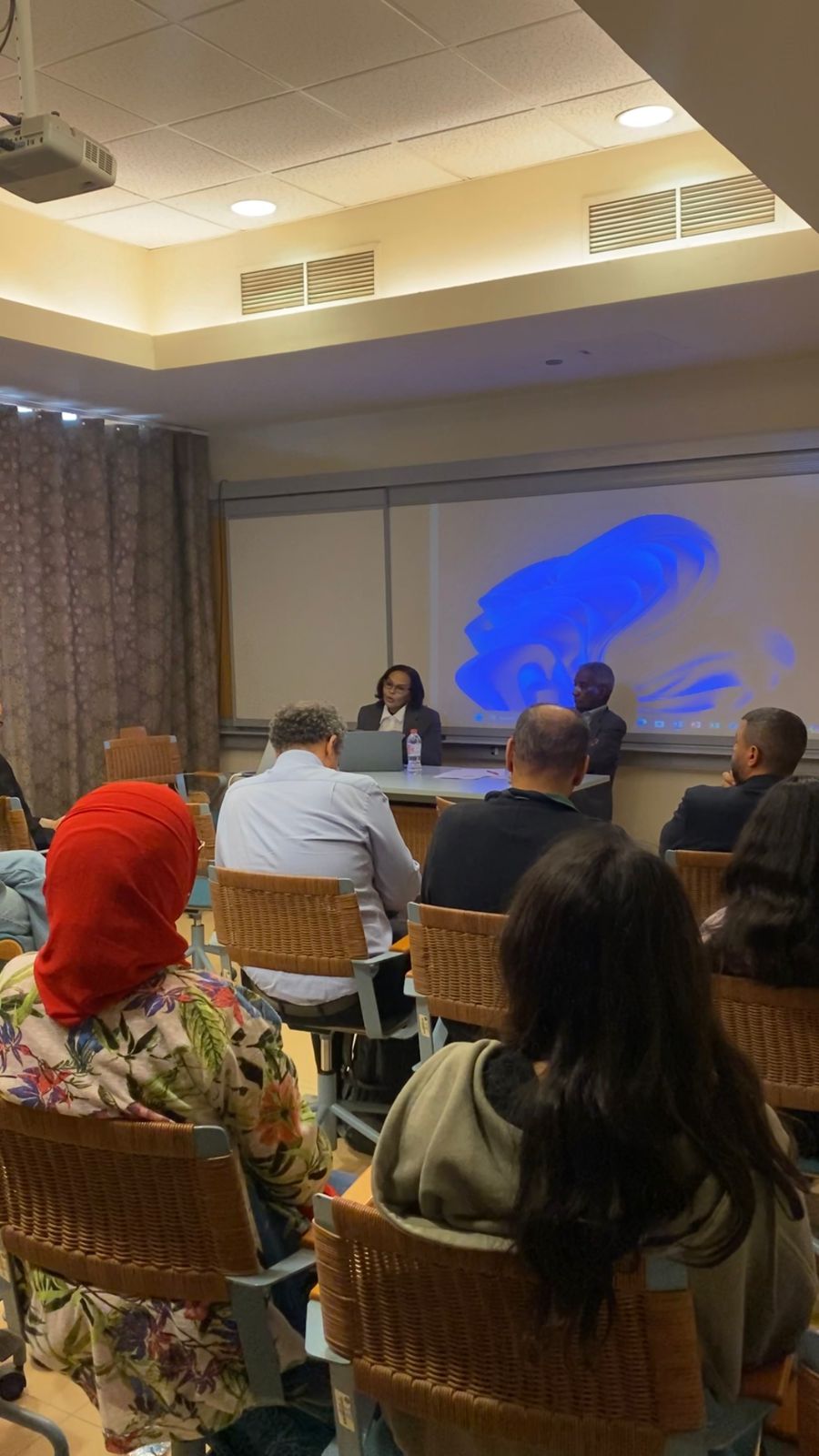
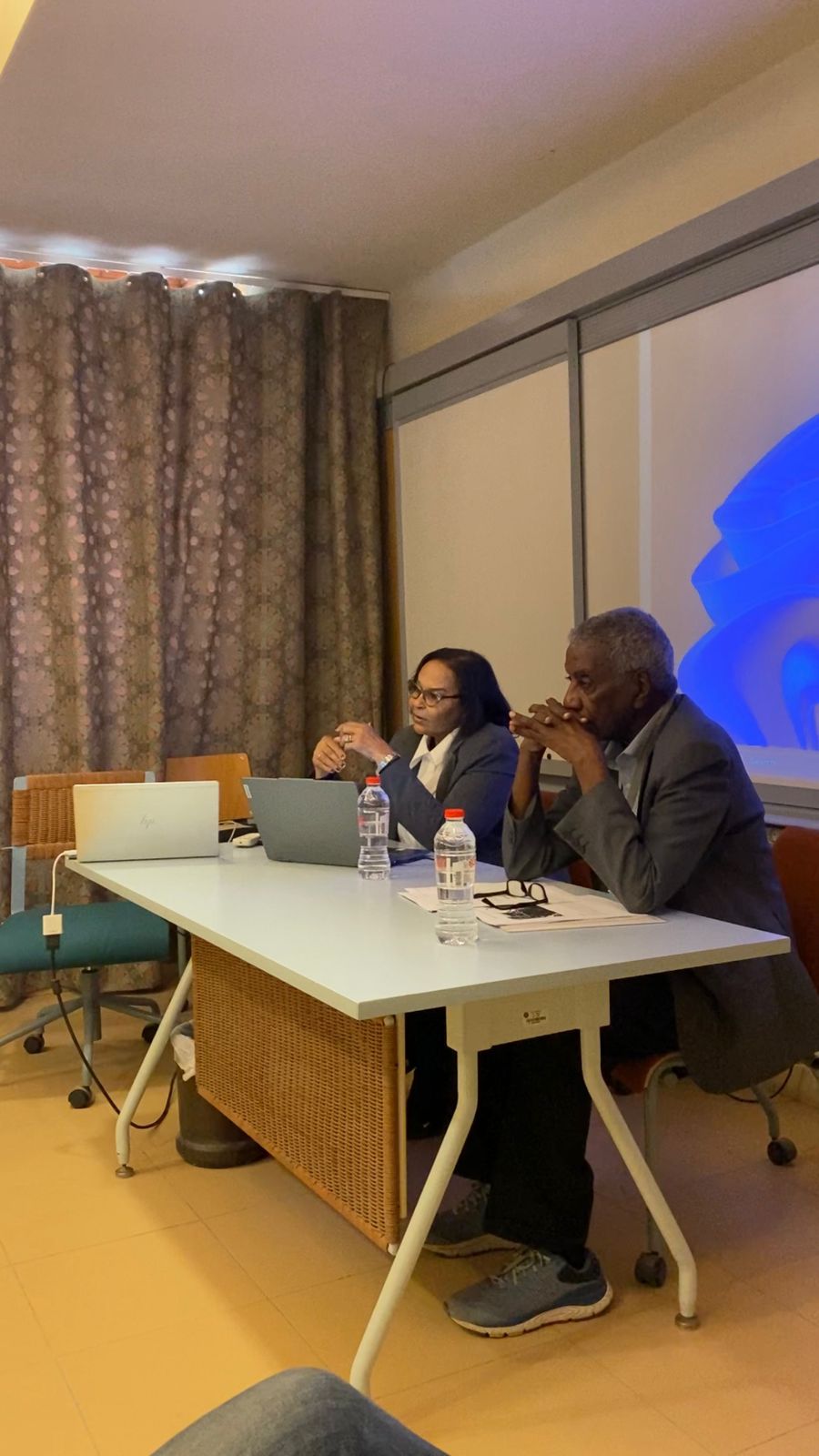
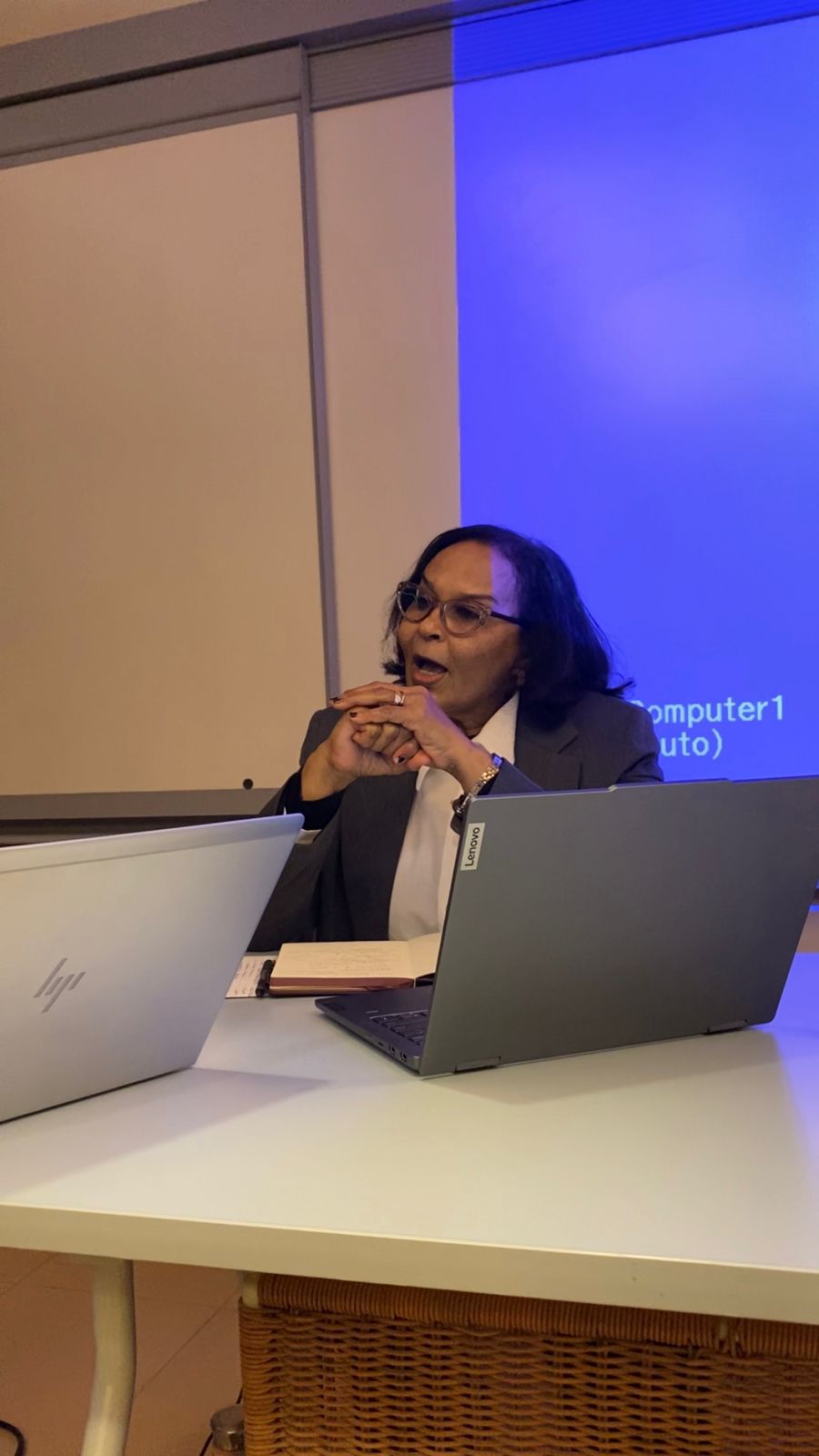
The Middle East Studies Program (MESP) hosted a talk titled “Sudan: from Revolution to Civil War,” featuring Sudanese scholar and PhD researcher Maha Zeinelabdin, who presented her ongoing work on the trajectory from the 2018-2019 uprising to the current war in Sudan. The event was moderated by Ibrahim Elnur, Associate Professor in the Political Science Department at AUC.
Zeinelabdin traced the arc of Sudan’s recent history back to the mass protests that broke out in mid December 2018 against then-president Omar al Bashir and culminated in his downfall following the sit-in outside the army headquarters in Khartoum in April 2019. During the transition period that followed, protesters continued to call for a democratic system, anti-corruption measures, an end to military business interests and the integration of the Rapid Support Forces (RSF) into a unified, professional national army. She explained that these demands directly threatened high-ranking officers, RSF leadership and major investors whose interests are intertwined with regional and global actors.
The talk highlighted how these threatened elites responded with a violent counterrevolution that undermined the revolution’s goals and helped pave the way toward war. Zeinelabdin focused on the political dynamics within the opposition, particularly the Forces of Freedom and Change (FFC), the broad coalition that negotiated with the military after the fall of Omar al Bashir.
One of her main research points concerned who this opposition represents. Zeinelabdin argued that the political leadership of the FFC mainly belongs to the bourgeois and urban middle class, with some educated elites from marginalised areas, backed by sectarian and rural supporters and a small number of businessmen and traders. So, while the FFC operated as the main civilian interlocutor, its internal structure and the Central Council it established for negotiations excluded certain groups. She explained that the FFC became isolated in its elitist nature, which weakened the coalition’s legitimacy and its ability to navigate mounting pressures and resolve conflict.
Zeinelabdin also touched upon external actors’ involvement alongside Sudan’s internal dynamics. Large-scale Sudanese investments and their ties to regional and global capital have deepened the conflict, making the war more than a purely domestic struggle.